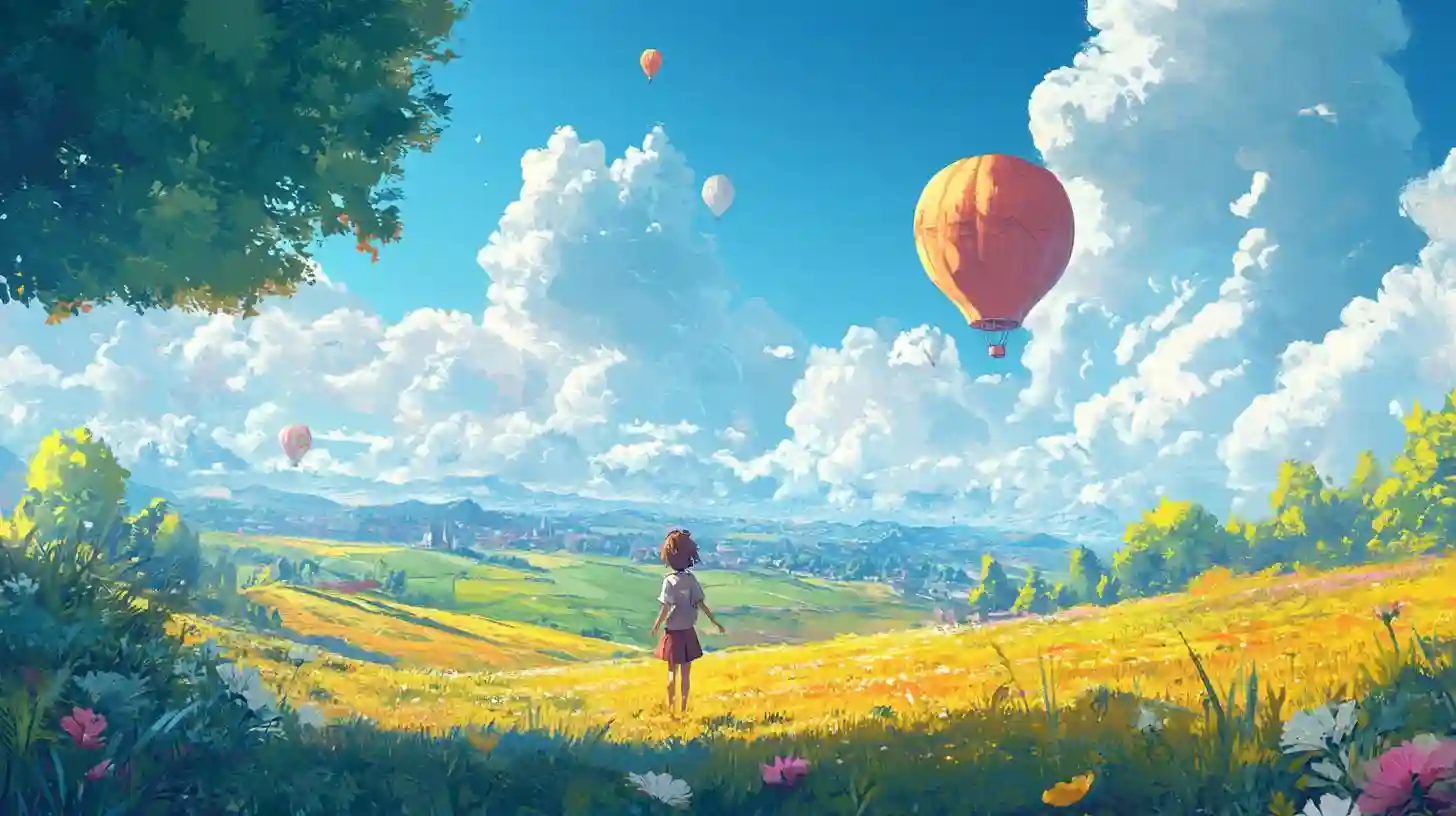
The realm of cartoon illustrations has always been a vibrant and dynamic space, bursting with creativity and a distinctive flair. Over the years, these illustrated artworks have evolved, shifting in style, themes, and methodologies to reflect the changing tides of society, culture, and technology. Recently, a fascinating trend has emerged within this artistic genre - the rising popularity of unique individuality. More than just a simple artistic choice, this movement embodies a significant turn towards expressing personal identity, cultural diversity, and emotional authenticity in animation and illustration.
Historically, cartoons have often adhered to certain styles or conventions. Classic cartoons featured specific character designs, often relying on a set formula that emphasized exaggeration, humor, and a universal appeal. Characters like iconic superheroes or beloved animated figures followed recognizable patterns that audiences became accustomed to. However, as the world became more interconnected and embraced the complexity of human experiences, artists began to explore their own narratives, personalities, and cultural backgrounds through their work. This led to the birth of a new era in cartoon illustrations defined by individuality and authenticity.
Artists today recognize that they can no longer rely solely on conventional styles or formulas. Instead, they are delving deeply into their own identities, using cartoon illustrations as a canvas to express aspects of themselves. This shift empowers artists to create characters that reflect personal experiences, emotions, and even quirks that resonate with their backgrounds. These unique illustrations often feature unconventional designs, diverse body types, distinct facial features, and distinctive color palettes, allowing them to break free from traditional molds.
This surge in unique individuality can be attributed to multiple factors. The growing prominence of social media platforms has played a significant role in democratizing the art landscape. Artists can now share their work with a global audience, transcending geographical boundaries. As a result, they have discovered communities that celebrate diversity, encouraging more creators to embrace their individuality in their illustrations. The dialogue surrounding representation and inclusion has amplified, inspiring artists to explore themes that resonate with their personal stories and identities.
Additionally, viewers are seeking out authenticity in the content they consume. Audiences are no longer satisfied with cookie-cutter characters or generic storylines. Instead, they hunger for narratives, characters, and illustrations that reflect real-life complexities, emotions, and experiences. They appreciate the rawness and vulnerability present in unique artistic expressions, making the movement towards individuality especially appealing. Illustrators who showcase their individuality through their work can captivate audiences by resonating with their lived experiences, creating a deep connection that transcends mere entertainment.
The inclusion of varied cultural influences in cartoon illustrations has also played a role in boosting the popularity of unique individuality. As artists draw from their cultural heritages and merge them with contemporary themes, their illustrations celebrate a rich tapestry of narratives. Audiences interact with characters that reflect diverse backgrounds, perspectives, and lifestyles, fostering empathy and understanding. This cultural synergy is not merely a trend; it signifies a broader societal movement toward recognizing and valuing individuality in all its forms.
From a broader perspective, the shift towards unique individuality in cartoon illustrations reflects changes in the art world itself. Traditional artistic hierarchies have begun to fracture as a result of grassroots movements and evolving artistic expressions. The modern art scene encourages experimentation, pushing artists to redefine what is considered 'acceptable' or 'mainstream.' Those who once felt constrained by current artistic norms are now empowered to break away from conventional styles and embrace their distinctive voices.
Moreover, the rise of digital tools and platforms has equipped artists with innovative means to express their individuality. With user-friendly software, digital artists can experiment with various styles, palettes, and techniques. This accessibility fosters an environment where creativity can flourish, enabling the emergence of new artistic styles that incorporate individual nuances. The digital landscape not only allows for experimentation but also promotes rapid sharing and exposure to different influences, further encouraging individuality within cartoon illustrations.
In examining the work of contemporary artists, it’s easy to see how unique individuality remains at the forefront. Artists like Lisa Hanawalt, Fiona Staples, and Bani Amor have pushed boundaries by creating characters that challenge stereotypes and embrace diverse narratives. Their creations not only bring forth a sense of identity but also remind audiences of the richness that diversity brings to storytelling.
Some artists actively challenge societal norms and expectations by using their illustrations to address social issues. They tackle topics such as mental health, gender identity, and cultural heritage, employing their unique artistic voices as tools of dialogue and discourse. Through clever storytelling, these artists create characters that reflect real struggles and triumphs, providing representation to communities that have long been marginalized in mainstream media. Such paintings of individuality allow artists to make powerful statements that resonate with audiences on multiple levels.
The rise in popularity of unique individuality among audiences should not go unnoticed. Consumers today are more discerning and critical, seeking connection with the content they choose. They look for authenticity, stories that reflect their own experiences, and illustrations that evoke a sense of belonging. This evolution in audience expectations translates into demand for art that champions diversity and individuality, pushing artists to take risks, challenge conventions, and express their voices boldly.
Art exhibitions, online platforms, and social media campaigns celebrating diversity in cartoon illustrations have surged in popularity. These endeavors showcase the work of artists from various backgrounds, giving rise to a collective movement that values unique individuality as an essential component of the artistic landscape. Viewers are increasingly drawn to these platforms, where they can engage with different narratives, cultural contexts, and artistic expressions, thereby enhancing their understanding of the world.
In this landscape characterized by a growing appreciation for individuality, collaborations between artists are also on the rise. Artists with unique styles come together to create works that marry different influences, further expanding the narrative and visual possibilities inherent in cartoon illustrations. Such collaborations challenge artists to explore their own practices and learn from one another as they create art that speaks to both their identities and shared experiences.
As contemporary cartoon illustrations continue to evolve, the focus on unique individuality is only expected to grow. Artists will find inspiration in their experiences, challenges, and triumphs, further enriching the artistic tapestry of this genre. Viewers, in turn, will embrace this shift towards individuality, engaging more deeply with illustrations that resonate with their stories, and celebrating the differences that make us all unique. The journey toward a more inclusive, representative, and authentic world of cartoon illustrations has only just begun, and it promises to be a thrilling exploration of the human spirit through the lens of art.