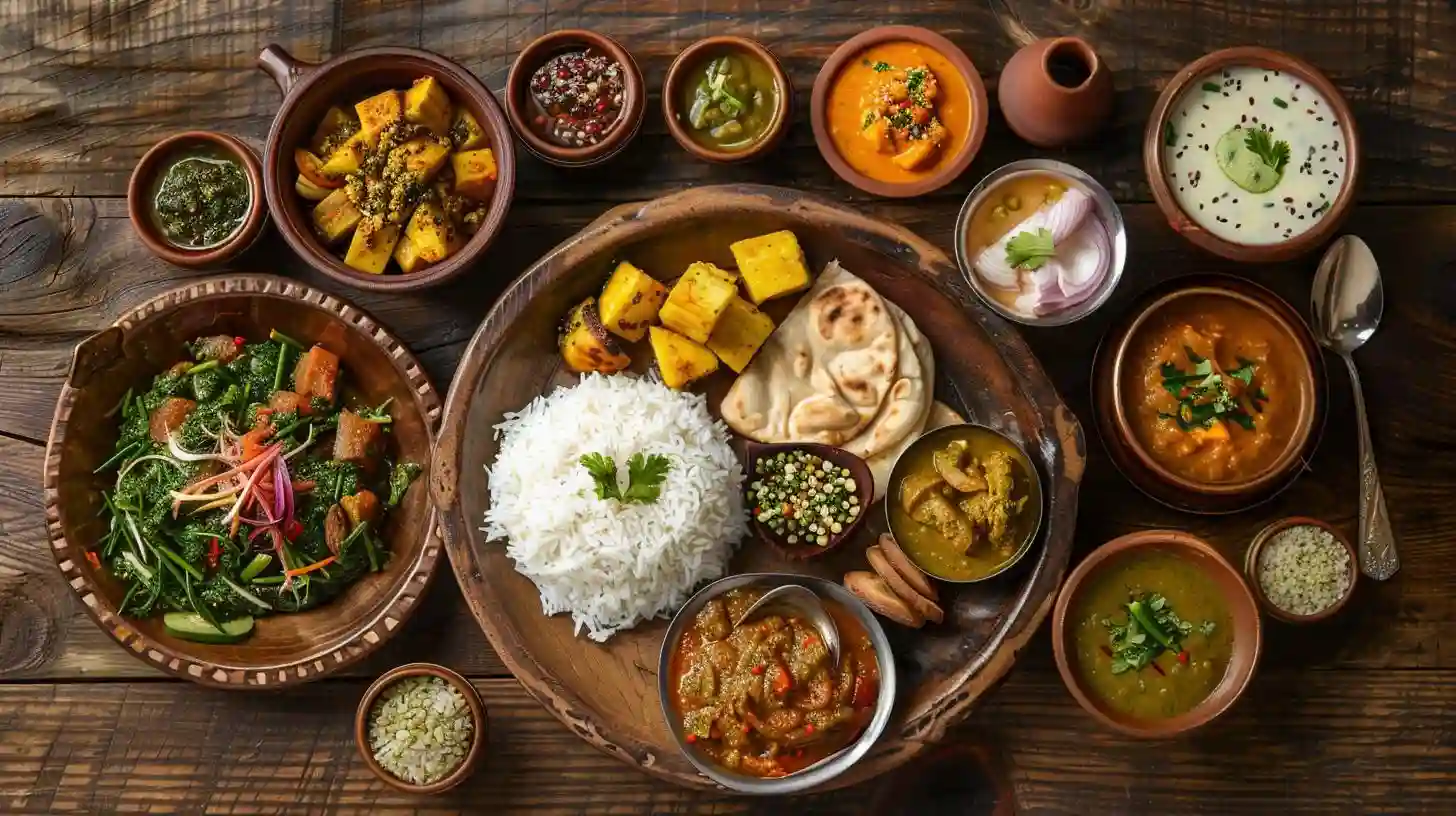
Nepal is a land of stunning landscapes, diverse cultures, and an incredible tapestry of flavors that reflect its rich heritage. Nestled in the lap of the Himalayas, this small yet remarkable country boasts a culinary legacy that is as varied as its geography, making its cuisine a subject of fascination for food lovers around the globe. The unique geographical features of Nepal range from the flat plains of the Terai region to the rugged heights of the Himalayas, and each of these terrains contributes to the variety of ingredients available, shaping the culinary practices of the Nepali people.
The cornerstone of Nepali cuisine is rice, which serves as the staple food and forms the base of most meals. In rural areas, families often grow their own rice, while urban dwellers source it from local markets. Combining rice with lentils is commonplace, resulting in a dish known as dal bhat. This meal is a ubiquitous presence in most households and is typically accompanied by various vegetable curries, pickles, and meat dishes. The preparation of dal bhat varies widely across different regions and communities. For instance, in the hills and mountains, it often incorporates more robust flavors and ingredients, while the Terai version leans toward a simpler, yet equally delightful, approach.
Another major component of the Nepali diet includes lentils, which are prepared in numerous forms. Dal, the classic lentil soup, is a creamy concoction often flavored with turmeric, cumin, and other spices. It can be served plain or with enhancements like ghee or fried onions, providing a rich depth of flavor. The versatility of lentils extends beyond soups, as they are also ground into flour to create a base for various traditional snacks and breads, adding nutritional value and taste.
Vegetables are celebrated in Nepali cooking, vibrant and plentiful due to the country’s agricultural richness. Each season brings a new array of fresh produce, and local markets bust with colors as vendors display their seasonal harvests. Many traditional dishes heavily feature seasonal vegetables, either as main ingredients or as accompaniments. A popular dish called tarkari refers to vegetable curries, which can include anything from potatoes to green leafy vegetables, seasoned with spices to enhance their natural flavors.
For those with a penchant for spice, the flavor profiles of Nepali cuisine provide an exciting adventure. Spices such as cumin, coriander, turmeric, and ginger create a pungent and aromatic base for many dishes. Hot chili peppers bring a fiery kick, common in various local specialties. Pickles, known as achar, are a staple condiment and are made from a variety of fruits and vegetables mixed with spices. These pickles add a delicious tang and can transform an otherwise simple meal into a gastronomic experience, highlighting the balance between heat, sourness, and sweetness.
Meat and fish dishes also hold a prominent place in the culinary landscape of Nepal, though their prevalence often depends on regional dietary customs and religious practices. In particular, the Newar community, known for their festive cuisine, prepares a wide range of meat dishes, showcasing culinary techniques that date back centuries. Sukuti, a popular dried meat snack, is seasoned with spices and enjoyed as a delicacy, often accompanied by a cold beer. Additionally, gorkhali lamb is a tender, spiced dish slow-cooked to perfection, creating a rich profile that embodies the essence of Nepali festivity.
In Newar culture, which is famous for its elaborate feasts and traditional celebrations, food plays a crucial role. Festivals often include multi-course meals that symbolize community and sharing. The infamous yomari, a unique steamed dumpling made from rice flour and filled with a sweet mixture of jaggery and coconut, holds sentimental value during the New Year celebrations, showcasing the intricate balance between savory and sweet in Nepali cooking.
Furthermore, street food culture thrives in Nepal, particularly in urban areas like Kathmandu. The streets teem with vendors offering a plethora of quick bites and snacks. One such delicious street food item is momo, which has gained immense popularity both locally and internationally. These dumplings, filled with meat or vegetables, are steamed or fried and served with a spicy dipping sauce, embodying the essence of quick, flavorful meals on-the-go. While momos are inspired by Tibetan cuisine, they have been fully embraced and adapted within Nepali culinary realms.
Another beloved snack that resonates with many is pani puri, a delightful snack originating from the Indian subcontinent. These crispy, hollow puris are filled with spicy tamarind water, potatoes, or chickpeas, delivering an explosion of flavors and textures that tantalize the taste buds. The sheer joy of eating pani puri, with its burst of water and crunch, encapsulates the communal spirit favored in Nepali food culture.
Beverages also play a significant role in the daily lives of the Nepali people. Traditional drinks like cha, or tea, are ubiquitous, enjoyed sweet or spiced, often accompanied by milk. In rural communities, freshly brewed milk tea is commonly served to guests, reflecting the warmth of Nepali hospitality. Additionally, the mountainous regions often produce a unique fermented beverage known as tongba, made from millet that's enjoyed warm, especially in colder climates, creating a convivial atmosphere among friends.
Sweet treats, too, hold a cherished position in Nepali culture. Sweets often mark celebratory occasions and festivals. Among the most popular is gulab jamun, deep-fried dough balls soaked in sugar syrup, delighting anyone with a sweet tooth. Other specialties include barfi and sel roti, rice-based sweets that bring joy during family gatherings and festivals.
The preparation of Nepali cuisine often involves time-honored methods, connecting generations through cooking traditions. Families gather in the kitchen, sharing stories and laughter while preparing meals, creating not merely dishes but cherished memories. The act of cooking, seasoned with local ingredients and spices, transforms mundane tasks into a celebration of life.
With globalization, Nepali cuisine is experiencing a renaissance, finding its way into international culinary dialogues. Chefs and food enthusiasts around the world are beginning to explore and appreciate the subtle yet bold flavors of this unique cuisine. Restaurants featuring authentic Nepali dishes have begun to open in cities far from the Himalayas, serving as ambassadors for a culture rich with history and flavor.
In essence, the culinary traditions of Nepal reflect its rich cultural tapestry and the harmonious interplay of flavors, textures, and aromas that represent the country itself. The distinct regional influences, local ingredients, and traditional techniques contribute to a lasting legacy and foster connections among communities. Every dish serves as a storyteller, preserving traditions while inviting new interpretations and experiences. The exploration of Nepali cuisine is an adventure, welcoming all to savor its vibrant essence and embrace its cultural significance, ensuring that the flavors of Nepal will continue to captivate and inspire generations to come.