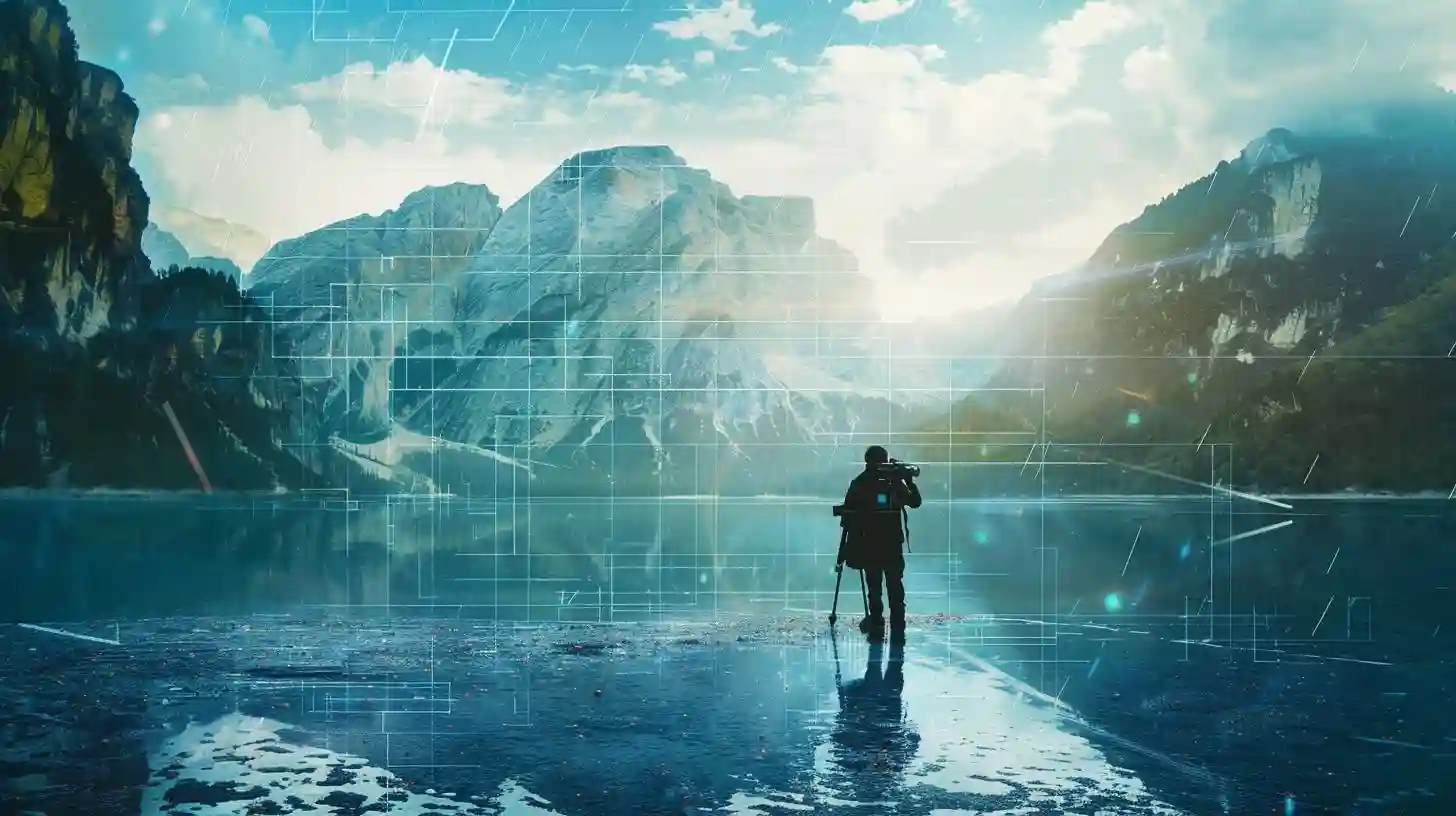
Photography is an art form that has captivated humanity since its inception. It is a medium that allows individuals to capture fleeting moments, convey emotions, and tell stories without uttering a single word. The role of the photographer is paramount in this process, as they wield a camera not just as a tool but as an extension of their creative vision and perception of the world. Each photographer possesses a unique perspective, informed by their experiences, cultural background, and emotional depth.
To truly appreciate the world of photography, one must explore the life and creativity of pioneering photographers who have shaped the medium over the decades. These visionaries have used their talent to highlight social issues, document history, and give voice to the silent. Their work often transcends artistic boundaries, merging journalistic integrity with a profound aesthetic sense. The power of photography lies in its ability to evoke emotions, spark conversations, and inspire change by simply capturing a moment in time.
The evolution of photography can be traced back to the early days when the art form was in its infancy, experimenting with various techniques, equipment, and methods. The first photographs were captured on light-sensitive surfaces, requiring long exposure times and intricate processes. Despite the limitations, these early pictures laid the foundation for today's advanced technology. With the advent of the digital era, the complexities of photography were dramatically reduced, making it accessible to a wide audience. Cameras have evolved from bulky boxes to sophisticated devices that fit in the palm of one’s hand, yet the essence of photography remains unchanged.
While technical skills are undeniably important, the image-making process is not solely about mechanics. A great photographer possesses an innate understanding of composition, lighting, and color. They are often driven by a desire to express their vision, connecting deeply with their subject matter. Whether it is capturing the raw beauty of nature, the bustling life of city streets, or the intimate moments of people’s lives, photographers reveal stories that are often overlooked.
Photographers employ various styles and genres, each bringing a unique flavor to the art form. Portrait photography captures the essence of a person, conveying emotion and character through expressions, poses, and interaction. In contrast, landscape photography transports viewers to breathtaking vistas, celebrating the sheer magnificence of nature and the changing seasons. Another genre, street photography, provides insight into everyday life, documenting candid moments that reflect societal dynamics within urban settings.
Documentary photography stands out for its commitment to truth and storytelling. This genre of photography seeks to depict real-life events and social issues, serving as a powerful tool for activism and awareness. Photographers in this realm often immerse themselves in their subjects, developing trust and rapport to capture authentic moments. The results can be moving and thought-provoking, offering viewers a window into experiences that may be vastly different from their own.
The art of photography is not merely an individual pursuit. It is often communal, marked by collaborations and discussions among peers. Photographers gather in workshops, galleries, and online platforms to exchange ideas, critique work, and inspire one another. This sense of community fosters growth and innovation, as artists challenge each other to push boundaries and explore new techniques.
While creativity is pivotal, the business aspect of photography cannot be overlooked. Many photographers navigate the commercial realm, licensing their work for advertising, magazines, and exhibitions. This aspect brings its own set of challenges, including marketing oneself, understanding client needs, and maintaining a portfolio that showcases versatility and skill. Successful photographers often develop a distinctive style that sets them apart, allowing them to carve out a niche in a highly competitive market.
As technology continues to evolve, so does photography, with emerging mediums such as virtual reality and drone photography challenging traditional perspectives. These innovations offer new ways for artists to express themselves and engage audiences. The ability to capture images from unique angles and heights expands the possibilities of storytelling, merging art with technology in unprecedented ways. Photographers must constantly adapt, learning new techniques and embracing contemporary trends while staying true to their voice.
Another important aspect of contemporary photography is the ethical considerations that come into play. The accessibility of powerful camera technology raises questions about consent, representation, and the portrayal of subjects. Photographers are tasked with navigating the delicate balance between artistic expression and respectful representation. This responsibility is particularly heightened in documentary photography, where the impact of images can influence public perception and provoke dialogue about sensitive topics.
In critiquing the work of others, photographers must also be conscious of the power dynamics inherent in the medium. Whose stories are being told? Who has the privilege to capture and disseminate images? Exhibiting cultural sensitivity is crucial, as photographers strive to honor their subjects’ narratives while avoiding stereotypes and misrepresentation.
Photography education plays a vital role in nurturing burgeoning talent and fostering appreciation for the art form. Photography programs and workshops provide foundational knowledge and practical skills, equipping students with the tools they need to convey their vision effectively. Emphasis on both technical competence and conceptual understanding enables aspiring photographers to develop a well-rounded approach. Mentorship from experienced photographers can also be invaluable, offering guidance, feedback, and inspiration.
The influence of social media on photography cannot be overstated. Platforms such as Instagram and Pinterest have revolutionized how art is consumed and shared, creating a global platform for photographers to showcase their work. While this democratization has led to greater visibility, it has also generated discussions about authenticity, the commercialization of art, and the impact of algorithms on exposure. Photographers must navigate this landscape carefully, balancing the desire for recognition with the integrity of their craft.
As photography continues to evolve, one thing remains steadfast: its ability to capture the human experience in all its complexity. The power of an image lies in its potential to elicit emotions, provoke thought, and inspire action. Photographers, through their lens, have the capacity to bridge gaps between cultures, raise awareness of pressing issues, and challenge societal norms. They hold the power to immortalize a moment, making it resonate long after the shutter has closed.
In this dynamic landscape, the role of the photographer is not to create mere images, but to engage with the world around them. Each photograph serves as a testament to their perspectives, experiences, and emotional truths. As society continues to grapple with its past, present, and future, photographers stand as crucial documentarians of the human condition, forever capturing the beautiful chaos of life.