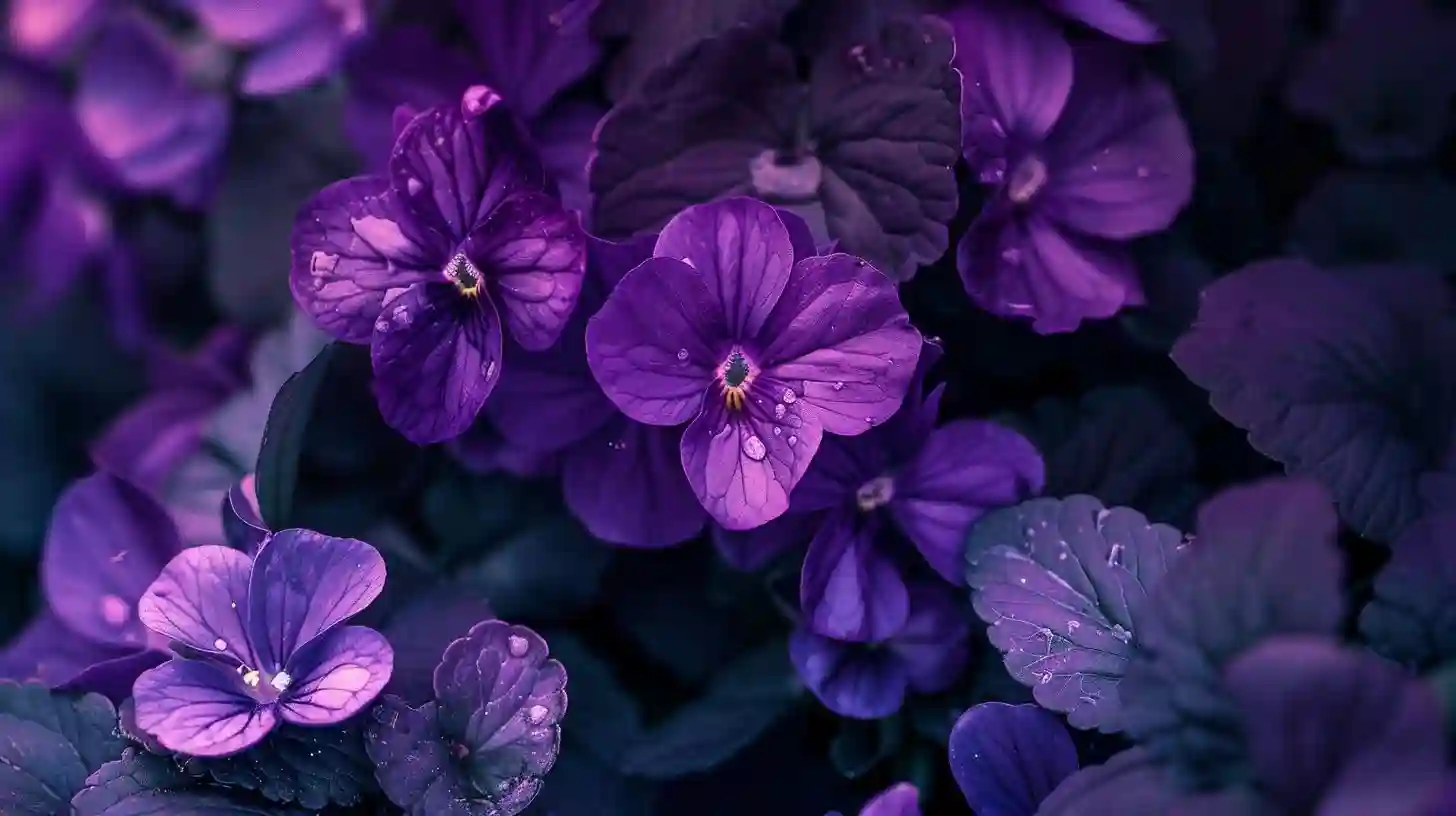
The phrase "You can't hide violets" resonates with a sense of undeniable authenticity and uncontainable beauty. It hints at the natural tendency of things to reveal themselves, regardless of efforts to suppress or disguise them. Violets are more than just delicate flowers; they symbolize resilience, individuality, and the vibrant spirit of life that refuses to be subdued. This expression can be dissected on multiple layers, touching on the themes of personal identity, artistic expression, emotional truth, and societal expectations.
At the heart of this notion lies the idea of authenticity. Each person possesses unique qualities, experiences, and perspectives that shape their identity. Just as violets spring forth in the most unexpected places, individuals often display their true selves in ways that can't be hidden or ignored. This reality becomes especially pertinent in a world that frequently pushes people to conform, to mask their individuality in favor of societal norms. The suppression of one's true self can lead to a disconnect between who one is internally and how one navigates the world externally.
The vibrant colors of violets remind us of the beauty found in diversity. These flowers come in various shades, from deep purples to bright whites and soft pinks, mirroring the diversity of human beings. When individuals embrace their uniqueness, they create a tapestry of experiences and perspectives. Each person's story, however different, adds to the richness of collective existence. To hide one's true colors is to deprive the world of the beauty that comes from authenticity and self-expression.
Artistic expression serves as a canvas for individuals to showcase their true selves. Whether through painting, music, dance, or writing, the arts provide an outlet for emotional transparency and personal truth. Artists often evoke deep feelings and reveal insights into the human experience, and their creations are an invitation for others to connect with their own emotions and truths. Just like violets peeking out from between the cracks of pavement, authentic art has a way of revealing itself, captivating audiences and provoking thought. The act of creating art becomes an act of defiance against the pressures to conform, to adhere to the expected, and to suppress one's inner voice.
Emotions play a significant role in this discussion, revealing the layers of human experience that cannot be concealed. The struggle with internal conflicts, societal pressures, and the desire to belong can lead individuals to hide their emotions, fearing judgment or rejection. Yet, the human spirit has an innate need for connection and understanding, prompting many to eventually unearth their feelings and share their truths with the world. When individuals find the courage to express their emotions, they experience a profound sense of liberation and authenticity.
Societal expectations can create significant barriers, stifling the natural inclination to reveal one’s true self. Many people grow up navigating a labyrinth of rules, traditions, and norms that dictate how they should act, look, or think. These pressures can lead to the internalization of rigid roles that do not align with one’s authentic self. This dissonance may result in a relentless pursuit of perfection, where individuals feel obligated to present a polished facade rather than embracing their vulnerabilities. The reality, however, is that true beauty often lies in the imperfections, the rawness of experience, and the willingness to be seen in one’s entirety.
The impact of hiding one’s true self can be profound. Individuals may experience feelings of isolation, anxiety, and disconnection, as they are unable to forge genuine relationships or connect with their authentic selves. On the other hand, embracing the notion that "you can't hide violets" fosters a sense of belonging and acceptance. When individuals allow their true colors to shine, they often find common ground with others who share similar journeys or struggles. This shared understanding can act as a supportive network that encourages individuals to continue revealing their authentic selves.
Cultivating an environment where authenticity thrives is essential. In various spheres of life—such as workplaces, schools, and community organizations—there should be a conscious effort to celebrate diversity and encourage individuals to bring their whole selves to these spaces. When leaders and influencers prioritize inclusivity and authenticity, it creates a culture where people feel safe expressing their true selves without fear of backlash or judgment. Just like a garden nurtures the growth of violets and other flowers, a supportive environment nurtures individuals, allowing them to blossom unrestrainedly.
There’s a certain beauty found in vulnerability as well. Choosing to reveal one’s internal struggles, doubts, or insecurities can inspire others to do the same, creating a ripple effect of authenticity. Such acts of vulnerability encourage deeper connections and foster empathy among individuals, rather than perpetuating superficial interactions influenced by societal expectations. Emotional honesty cultivates relationships built on trust, understanding, and compassion—allowing individuals to flourish authentically.
The metaphor of violets can also extend to the idea of resilience. Just as violets can thrive in challenging environments, individuals possess an innate strength to overcome adversity and still shine brightly. Life's trials can cloud one's ability to express their authenticity, yet many emerge from hardships with newfound clarity and determination to live life on their own terms. The act of overcoming obstacles becomes akin to the violets pushing through hard ground, seeking light in dark places.
Moreover, the connection to nature reinforces the importance of patience and nurturance in allowing authenticity to flourish. Just as violets require care, sunlight, and water to bloom, individuals need support, understanding, and love to reveal their full potential. This realization emphasizes the importance of community. Communities supporting individual expression encourage a richer and more diverse culture. The more people feel free to embrace their authentic selves, the more vibrant the community becomes.
The influence of culture also plays a pivotal role in the quest for authenticity. Different cultures may have varying perspectives on what it means to be true to oneself, often shaping how individuals view their identities. Navigating cultural expectations while maintaining personal authenticity can be a challenging balance, as individuals may feel caught between familial traditions and personal aspirations. Recognizing the beauty of cultural diversity contributes to a broader understanding of authenticity, where individuals learn to honor their roots while forging their paths.
In every sense, "you can't hide violets" serves as a profound reminder that the essence of life dwells in authenticity, connections, and the embracing of one’s unique qualities. Efforts to conceal true emotions, identity, or experiences are ultimately fleeting, and the human spirit will find ways to exhibit its vibrant essence. Just as violets grace the earth with their enchanting presence, individuals must embrace their true selves, supporting one another in a collective celebration of authenticity and resilience. The journey toward revealing one’s true self can be as beautiful as the violets that thrive against all odds, illuminating the world with their undeniable presence.