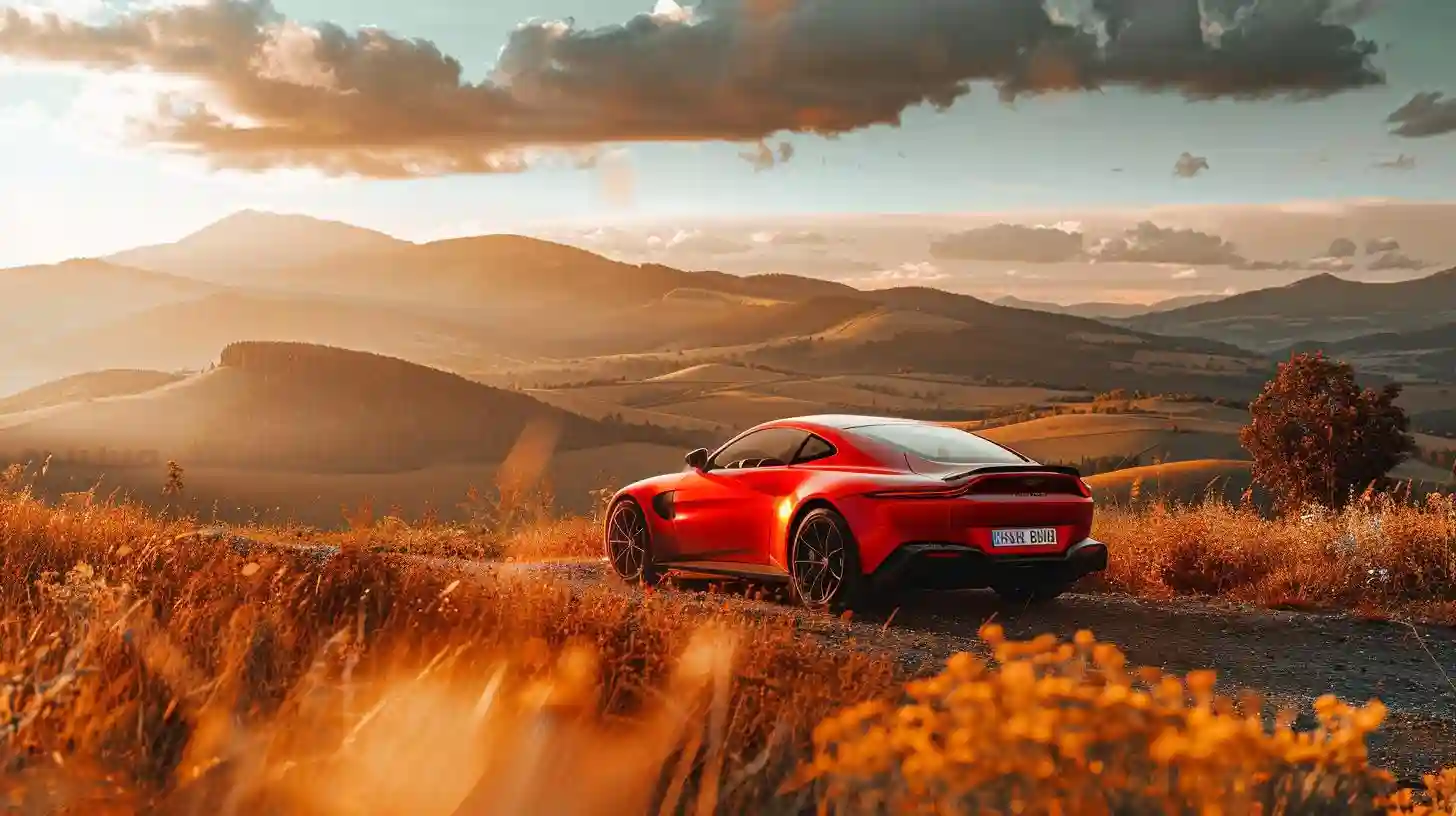
Traveling at high speeds evokes a sense of excitement and brings to mind the wonders of modern technology. The concept of covering distances rapidly has fascinated humans for centuries. From the earliest steam engines to today’s high-speed trains and cars, the thrill of speed continues to push the boundaries of what is possible. One such impressive measure is a stretch of land measuring one thousand three hundred meters. When imagined alongside the brisk pace of two hundred kilometers per hour, the combination illustrates the awe of contemporary transportation.
To put into perspective the distance of one thousand three hundred meters, it is essential to consider how it can be traversed within different contexts. Imagine standing at the edge of a sprawling metropolitan area, where skyscrapers reach for the sky and bustling streets converge. A person walking at a moderate pace might take around ten to fifteen minutes to cover that distance. This leisurely journey includes navigating sidewalks, waiting for traffic lights, and enjoying the sights, sounds, and scents of the urban landscape. Each step taken offers an opportunity to appreciate the surroundings, yet it is still a rather slow experience in comparison with the digital age's fast-paced nature.
Now, envision instead the same distance being traversed in a high-speed vehicle. With a power output that allows it to attain speeds of two hundred kilometers per hour, a car is capable of crossing the one thousand three hundred meter stretch in a matter of mere seconds. This dramatic shift in perspective beautifully illustrates the contrast between manual modes of travel and those powered by engineering marvels. The roar of the engine, the rush of air, and the blur of the landscape as it flies by create a sensory experience that engages both the body and the mind. It is no longer a casual stroll but rather a thunderous sprint across the terrain.
The science of speed has delved deeply into the benefits and implications of traveling quickly. High-speed transportation offers advantages such as reduced travel times, increased connectivity between cities, and ultimately, a greater efficiency in logistics. For instance, commuting is often a significant aspect of modern life. Utilizing vehicles capable of reaching impressive velocities allows individuals to travel from their homes in suburban areas to workplaces in the urban centers with minimal time spent on the road. The demands of contemporary society expect such efficiency, driving the continuous evolution of technology.
However, speed is not without its consequences. The advent of high-speed travel has introduced a new set of challenges regarding safety and infrastructure. The faster vehicles go, the more substantial the forces at play during accidents. Furthermore, the roads and tracks that accommodate such speeds must be meticulously maintained and designed to handle the pressure of constant use. Engineers and planners continuously strive to create solutions that can keep pace with the evolving demands of high-speed travel.
The thrill of speed is also a significant contributor to the cultural fabric of societies around the globe. Racing events, whether they are on four wheels or two, capture the imagination of spectators and participants alike. These high-octane competitions not only celebrate individual skill but also illustrate the advancements in technology that allow for such rapid movement. From Formula racing to motorbike championships, these events become a stage for innovation and creativity, showcasing the potential embedded in engineering coupled with the fearless drive of mankind.
Moreover, the influence of high-speed transportation is felt in everyday life beyond just thrilling races and speedy commutes. The logistics industry relies heavily on swift movement for goods and services. Whether it is food, electronics, or other essential commodities, the ability to transport these items efficiently is crucial to uninterrupted commerce. The promise of same-day delivery has shifted consumer expectations dramatically, with the demand for speed in receiving products transforming how companies operate and plan their supply chains.
Equally important is how high-speed travel influences the environment. The quest for speed has driven the automotive and transportation industries to explore alternatives that minimize carbon footprints. As the world grows increasingly aware of pressing environmental concerns, innovations in electric vehicles, hovercars, and even hyperloops are consistently explored. The need for sustainable solutions remains at the forefront as companies work to address the need for reducing emissions while accommodating society's desire for rapid transit.
The interaction between technology and speed raises questions about how we shape our contemporary world. For instance, smart city initiatives are emerging globally, where technology and urban planning work hand in hand to enhance the speed of public transportation systems. High-speed trains connecting major cities relieve the burden of congestion and reduce travel time, encouraging populations to interact and engage across greater distances. This amalgamation creates a new landscape where boundaries blur, and distance becomes less of a barrier to social interaction.
The cultural influence of speed extends beyond practical matters into the realm of art and literature. Artists and writers have long grappled with the implications of quickened existence. From poetry exploring the fleeting nature of time to artworks that capture movement in splendid, dynamic forms, the relationship between speed and human experience is rich with meaning and interpretation. Artists often use the motif of speed to hint at broader societal themes, including alienation, connection, and the interplay between nature and technology.
On a personal level, the experience of speed can evoke profound emotions. The rush of adrenaline felt while traveling quickly can be liberating, a brief escape from the mundane constraints of everyday life. Whether cruising along the highway with the wind blowing through the open windows or watching as landscapes zip by on the train, the sensation of moving rapidly instills a sense of freedom. It allows for contemplation of life's journeys and the speed at which time flows.
All these factors combine to create a complex narrative around the simple distance of one thousand three hundred meters when paired with a speed of two hundred kilometers per hour. The image is one that reveals the many layers inherent in experiences marked by velocity. Each dimension—from practical transportation to cultural implications, from safety considerations to environmental impacts—paints a vivid picture of how speed shapes both our individual lives and the larger world around us.
As technology continues to advance and transformations in transportation further evolve, the discussion surrounding speed will remain ever relevant. Humanity will persist in exploring new methods and striving for faster, safer, and more sustainable ways to connect us with one another and the vast landscapes we inhabit. Through this ongoing quest, the merging of the distance and speed paradigm will continue to inspire and provoke thought, inviting deeper reflection on our existence in a rapidly changing world. Each journey taken—be it leisurely or lightning-fast—offers a chance to appreciate the very essence of movement and the extraordinary world we navigate.